Starting a business in 2026 shouldn’t require a master’s degree in admin faff. Yet here we are, with most founders spending 60% of their first year drowning in documents, chasing compliance deadlines, and Googling “do I really need a data protection policy?”
Spoiler alert: yes, you do. But there’s a better way to handle all of this without losing your mind or your launch momentum.
Enter the business in a box for startups. It’s exactly what it sounds like, minus the actual cardboard. Think of it as IKEA for entrepreneurs, but instead of assembling furniture with mysterious leftover screws, you’re building a legitimate, operational business with everything you actually need from day one.
What Is Business-in-a-Box? (And Why You Should Care)
A Business-in-a-Box is a curated bundle of essential resources, templates, tools, and services that help you launch without hiring an army of specialists. It’s the antidote to the “startup tax” where you hemorrhage cash on solicitors, accountants, designers, and consultants before you’ve made your first quid.

The beauty of a proper business in a box for startups is that it gives you the infrastructure of an established company from the jump. Legal agreements? Sorted. Brand guidelines? Done. Financial templates? Check. Standard operating procedures? Already written.
Instead of spending three months creating these from scratch (or worse, cobbling together random templates from dodgy corners of the internet), you can focus on the stuff that actually matters. Like, you know, building your product and finding customers.
What’s Actually Inside the Box
Not all Business-in-a-Box solutions are created equal. Some are basically glorified template libraries, whilst others provide genuinely comprehensive startup operations support. Here’s what the good ones include:
Legal & Compliance Essentials
- Articles of incorporation and business formation documents
- Client contracts and service agreements
- NDAs and data protection policies
- Terms of service and privacy policies (GDPR-compliant, because this is the UK and we care about that)
Brand & Marketing Assets
- Logo files and brand guidelines
- Colour palettes and typography standards
- Marketing templates (social media, email, website copy)
- Sales scripts and proposal templates
Operational Frameworks
- Standard Operating Procedures (SOPs) for common business processes
- Project management templates
- Client onboarding workflows
- Team collaboration structures
Financial Tools
- Business plan templates
- Financial projection calculators
- Invoice templates and payment tracking
- Budget planning spreadsheets
Support & Resources
- Access to expert communities
- Training materials and video guides
- Regular updates as regulations change
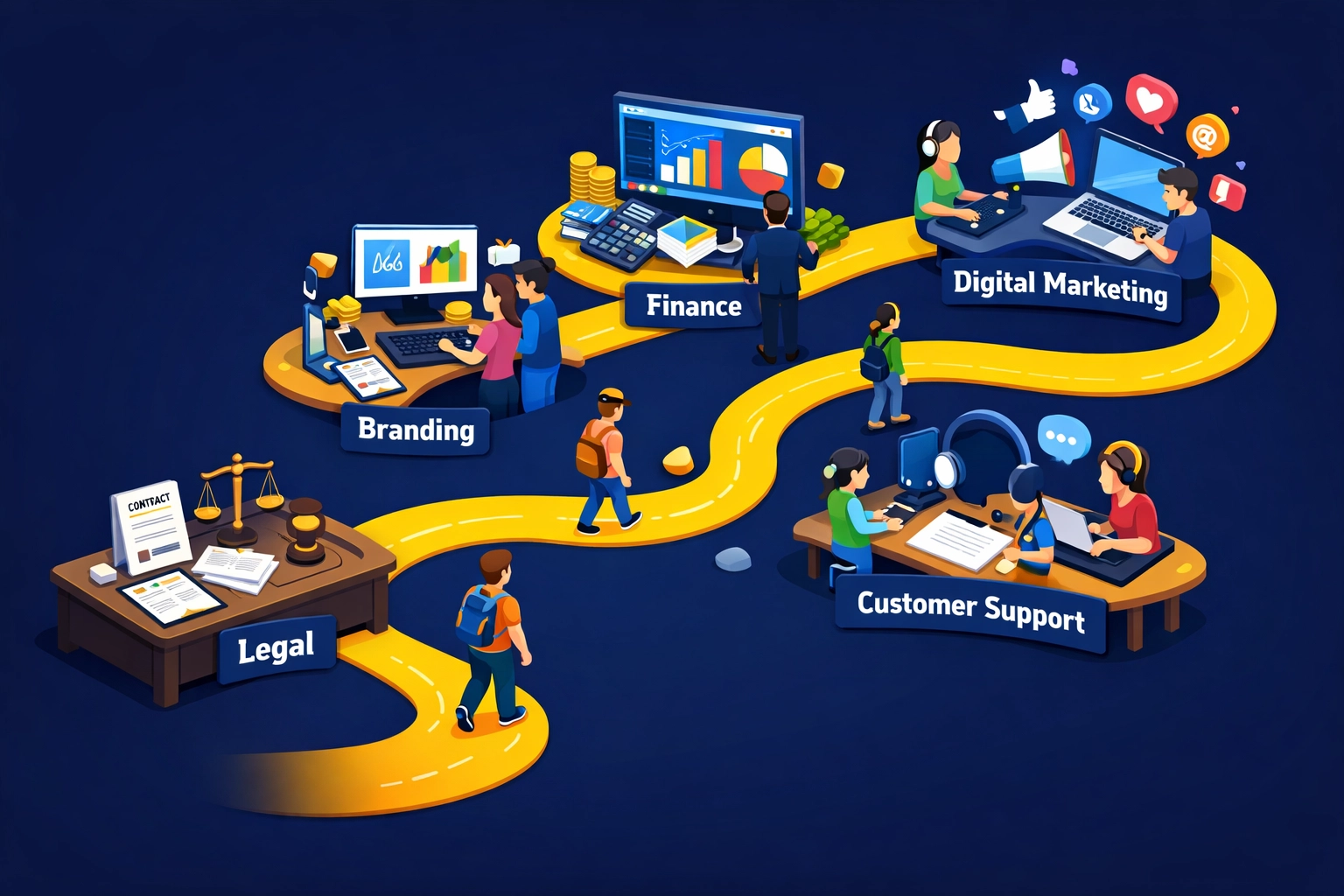
Think of it as the difference between buying a flat-pack wardrobe and hiring a carpenter. You’re still putting in the work, but someone’s already measured twice and cut once.
The 30-Day Launch Timeline: Your Actionable Roadmap
Here’s where the rubber meets the road. A proper business in a box for startups should enable you to go from “just an idea” to “actually taking orders” in roughly 30 days. Here’s what that looks like in practice:
Week 1: Foundation & Formation (Days 1-7)
Day 1-2: Define your business structure and register with Companies House. Use your Business-in-a-Box formation documents to speed through the paperwork.
Day 3-4: Set up your business bank account. Most UK banks need proof of registration, so don’t skip this step.
Day 5-7: Customise your legal templates. Add your company details to client contracts, NDAs, and service agreements. Don’t just copy-paste. Actually read them.
Week 2: Brand & Digital Presence (Days 8-14)
Day 8-9: Finalise your brand identity using the provided brand kit. Choose your colours, lock in your logo, and create basic brand guidelines.
Day 10-12: Build your website or landing page. Use the template copy as a starting point, then inject your personality. Nobody wants to read another “we’re passionate about delivering value” homepage.
Day 13-14: Set up your social media profiles. LinkedIn is non-negotiable for B2B. Instagram if you’re visual. Twitter if you’re brave or selling to developers.
Week 3: Operations & Systems (Days 15-21)
Day 15-16: Implement your SOPs. Even if you’re a solo founder, document how you do things. Future-you will be grateful.
Day 17-18: Set up your client onboarding process. Create welcome emails, booking systems, and initial questionnaires.
Day 19-21: Configure your financial tracking. Connect your bank account to accounting software (Xero or QuickBooks are solid choices) and set up your invoice templates.
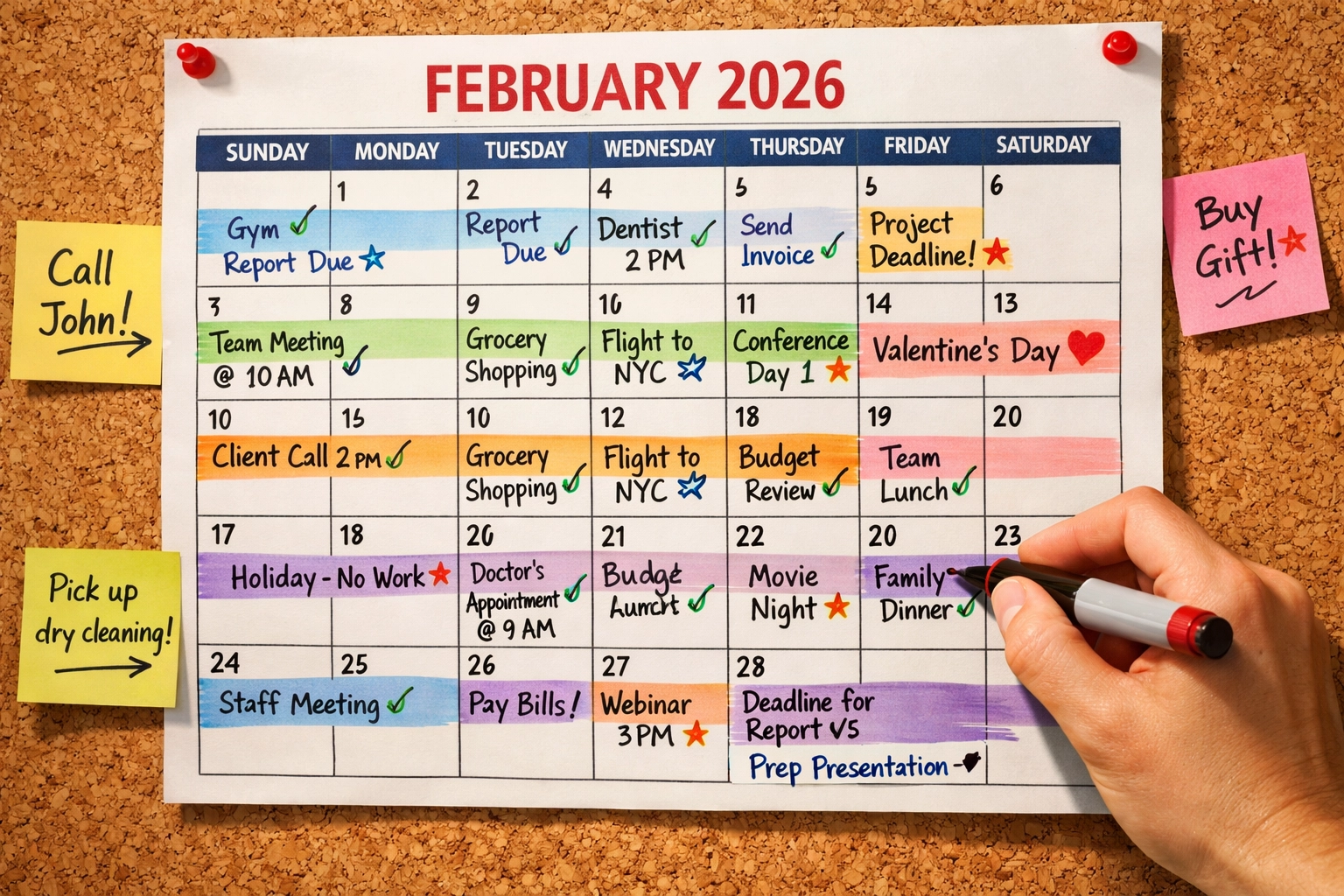
Week 4: Launch & Customer Engagement (Days 22-30)
Day 22-24: Create your launch marketing plan. Draft social posts, email announcements, and reach out to your network.
Day 25-27: Soft launch to a small group. Friends, family, or beta customers. Get feedback before going wide.
Day 28-30: Public launch. Share your work, activate your marketing materials, and start genuine customer conversations.
Who Benefits Most from Business-in-a-Box Solutions
Whilst technically anyone can use these systems, certain types of founders get disproportionate value:
Solo Founders & Freelancers: You’re wearing all the hats. A Business-in-a-Box means you’re not also wearing the “amateur solicitor” and “DIY accountant” hats badly.
Service-Based Businesses: Consultants, coaches, agencies, and professional services firms need robust client agreements and onboarding processes. These are included as standard.
First-Time Entrepreneurs: If you’ve never started a business before, you don’t know what you don’t know. A comprehensive package fills those knowledge gaps.
International Founders: Setting up a UK business from abroad is complicated enough. Having UK-compliant templates and formation support removes major headaches.
Bootstrap Businesses: When every pound counts, outsourced back office services bundled into a single package beats hiring five different professionals at £150+ per hour.
Common Pitfalls to Avoid
Even with a Business-in-a-Box, you can still cock it up. Here’s what to watch for:
Pitfall 1: Treating it as ‘set and forget’
Templates are starting points, not finish lines. Customise everything to your specific business. A generic client contract might not cover your unique service offerings.
Pitfall 2: Ignoring compliance updates
UK regulations change. GDPR evolves. Tax rules shift. Make sure your Business-in-a-Box provider updates their materials regularly, or you’re left with out-of-date documents.
Pitfall 3: Skipping the SOPs
Yes, writing processes down is boring. Do it anyway. When you hire your first employee or VA, you’ll need documented workflows. Start now whilst everything is fresh in your head.
Pitfall 4: Choosing the cheapest option
A £29 template bundle from a random website is not the same as a comprehensive startup operations support system. You generally get what you pay for.
How to Choose the Right Business-in-a-Box Solution
Not all providers offer the same value. Here’s your evaluation checklist:
- UK-specific compliance: Make sure templates follow UK law, not US or generic international standards.
- Industry relevance: Some packages are generic, others are tailored to specific sectors. Choose accordingly.
- Ongoing support: Can you ask questions? Get updates? Access expert advice when you’re stuck?
- Scalability: Will this system grow with you from solo founder to small team?
- Integration capability: Can it work with the tools you’re already using (or planning to use)?
- Transparent pricing: One-time fee? Subscription? Hidden costs? Know what you’re paying upfront.
Getting Started: Your Next Steps
Here’s the thing about business in a box for startups. It’s not magic. It won’t write your business plan for you or guarantee success. What it does do is remove the administrative friction that stops most founders from ever actually launching.
Instead of spending three months creating documents, researching compliance requirements, and second-guessing every template, you can focus on the activities that actually drive revenue. Customer conversations. Product development. Marketing that doesn’t make people cringe.
If you’re serious about launching in the next 30 days rather than “someday,” a comprehensive Business-in-a-Box solution isn’t optional. It’s the difference between talking about being a founder and actually being one.
Ready to stop planning and start building? Explore how a proper business-in-a-box approach can accelerate your launch timeline whilst keeping you compliant, organised, and sane.
Because the world doesn’t need another “aspiring entrepreneur.” It needs your business, launched and operational.