You didn’t start your company to become an admin assistant.
Yet here you are: updating spreadsheets, chasing invoices, managing social media calendars, responding to customer emails, and trying to figure out why your website looks slightly broken on mobile. Meanwhile, the product you’re actually passionate about is sitting on the back burner, waiting for you to find time.
This is the founder’s trap. And it’s exactly why we built My Element 5 around the Business-in-a-Box philosophy.
What Even Is ‘Business-in-a-Box’?
Let’s clear this up first. Business-in-a-box for startups isn’t about shoving your company into a literal container. It’s about having a simple, contained setup where the back-office admin, the digital presence upkeep, and the customer touchpoints are handled in a steady, low-drama way, without you having to think about it all day.

Think of it like this: your business has two layers. Layer one is your actual product or service, the thing you’re building that solves a real problem. Layer two is everything else, the infrastructure that keeps the business running but doesn’t directly create value for your customers.
Most founders spend 60-70% of their time on layer two. That’s backwards.
The Business-in-a-Box model flips this. We take on a big chunk of layer two (starting with the Phase 1 essentials), so you can spend more of your time on layer one: your product, your customers, and the stuff that actually matters.
The Real Cost of DIY Operations
Here’s what most startup advice won’t tell you: you can’t hustle your way through operational excellence.
Sure, you can learn QuickBooks. You can teach yourself basic graphic design. You can cobble together a website using a template. You can manually respond to every customer inquiry. But every hour you spend doing those things is an hour you’re not:
- Refining your product based on user feedback
- Building relationships with key customers
- Developing your go-to-market strategy
- Actually selling
- Thinking strategically about where your business is headed
The opportunity cost is massive. And it’s not just about time, it’s about headspace. When you’re switching between “founder mode” and “admin mode” all day, neither gets done well. Your brain isn’t built to jump from money admin to product thinking and back again.
This is why startup back office support isn’t a luxury, it’s a practical necessity.
What We Actually Handle (So You Don’t Have To)
My Element 5 operates on a simple premise: handle everything that isn’t your core product. Here’s what that looks like in practice:
Back-Office Operations (Phase 1): Simple admin support like basic filing, payment tracking, invoice chasing, and keeping your key docs in the right place. No heavy bookkeeping, no fancy finance setup, just the essentials that stop things slipping through the cracks.
Digital Presence: Your website doesn’t just need to exist, it needs to work. We handle updates, maintenance, content management, and making sure your online presence actually reflects your brand instead of looking like a 2015 WordPress template.

Customer Engagement: From initial enquiries to ongoing communication, we set up simple ways to make sure no one falls through the cracks. A tidy inbox, basic response templates, and light-touch follow-ups that keep things moving.
Process Documentation (Phase 1): Just the basics. We capture the key steps you repeat (onboarding, sending quotes, replying to common requests) and turn them into short, practical guides. Nothing complex, just enough structure so the work stays tidy as you grow.
The goal in Phase 1 isn’t perfection. It’s to get the basics handled and keep everything tidy, so your business runs without constant admin noise.
The Focus Dividend
When founders stop playing admin, something interesting happens. They get better at being founders.
Without the constant distraction of operational tasks, you can actually think long-term. You can spot patterns in customer feedback. You can see opportunities your competitors are missing. You can have the bandwidth to say yes when an unexpected partnership opportunity comes up.

We call this the “focus dividend”: the compounding returns that come from sustained attention on high-value work. It’s the difference between reacting to your business and actually steering it.
That shift doesn’t come from working fewer hours. It comes from spending those hours on work that actually moves the needle.
Why This Is the Future (Not Just a Trend)
The traditional startup playbook says to wear all the hats until you can afford to hire specialists. But that model was built for a different era: one where operational overhead was genuinely expensive and automation didn’t exist.
Today, startup operations support can be delivered as a service, with tools doing the heavy lifting and real people handling the judgement calls. The economics have changed.
The businesses that will win in the next decade aren’t the ones with the biggest teams or the most funding. They’re the ones with the best focus: the ones that identified their core competency and went all-in on it while letting everything else run on autopilot.
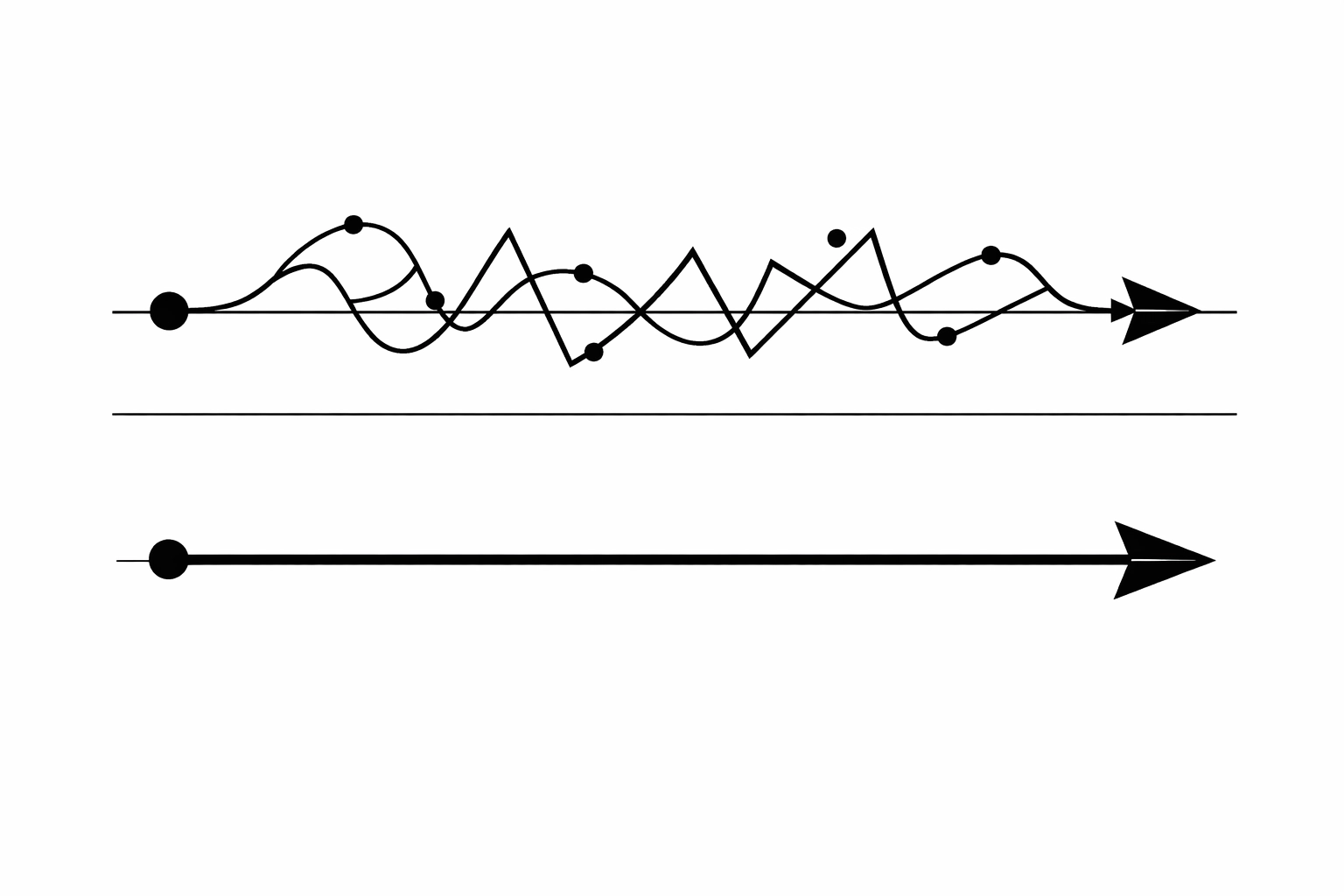
This is especially true for early-stage companies. When you’re pre-product-market fit, every distraction is expensive. You need to be running experiments, talking to users, iterating quickly. You don’t need to be formatting invoices or troubleshooting email deliverability.
The Business-in-a-Box model isn’t about doing less work. It’s about doing the right work.
The Unboxed Reality
Here’s the reality: the best ideas don’t fail because they’re bad ideas. They fail because the founder runs out of energy before they can prove the concept.
And they ran out of energy because they were trying to be a product visionary, a marketing manager, a bookkeeper, a web developer, and a customer service rep all at once. That’s not sustainable. It’s not even rational.
The box strategy: true business-in-a-box for startups: recognizes that modern businesses need modern infrastructure. Not hiring sprees. Not endless tools. Just someone who says “I’ll handle all of this, you go build your thing.”
That’s what we’re building at My Element 5. We’re not consultants who hand you a strategy deck and disappear. We’re a Business-in-a-Box service: the operational backbone that handles the Phase 1 basics day to day, so you don’t have to think about it.
Your business is the product you’re building. Everything else is just logistics.
And logistics, as it turns out, fit quite nicely in a box.
Want to see how the Business-in-a-Box approach could work for your startup? We’re at myelement5.com when you’re ready to get unboxed.